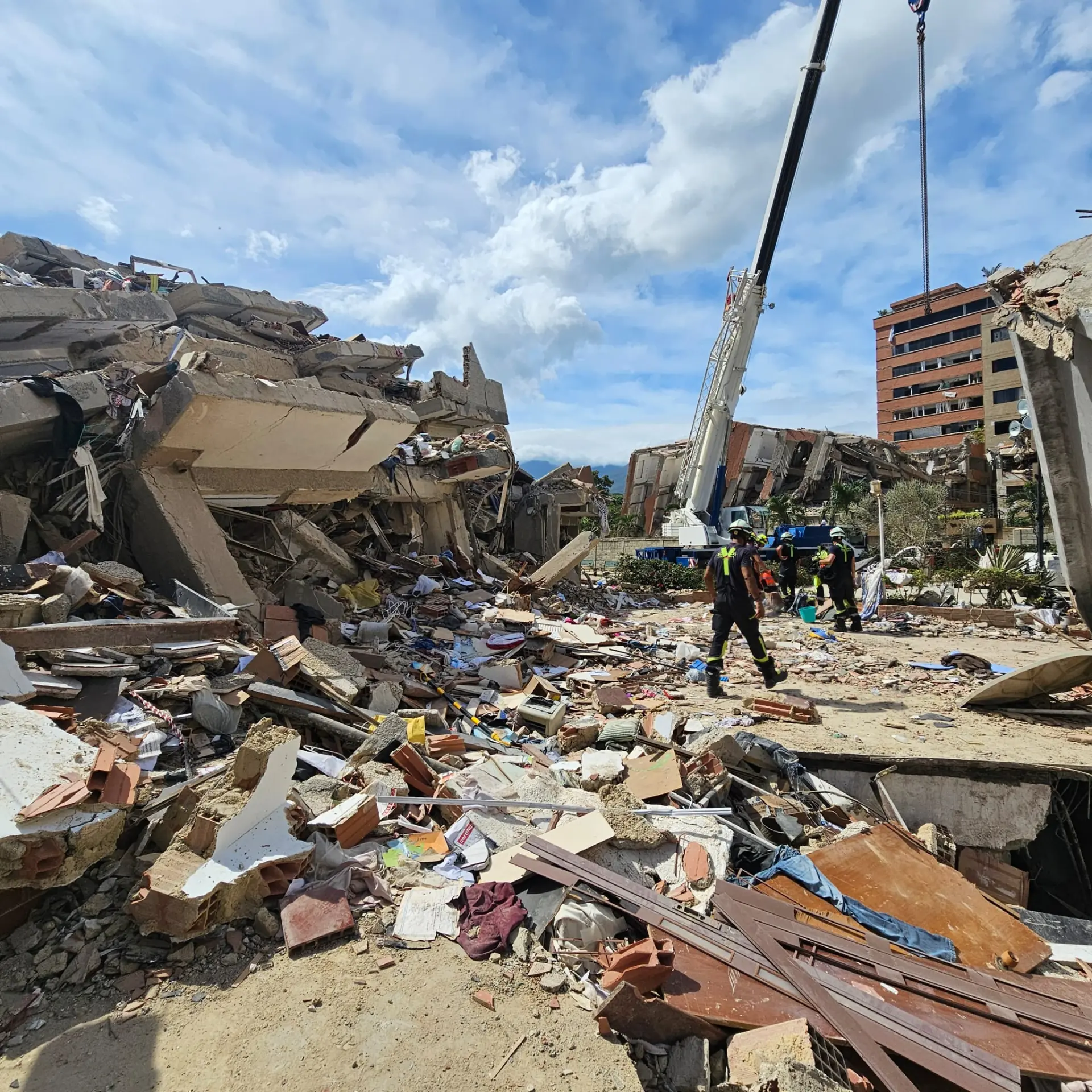
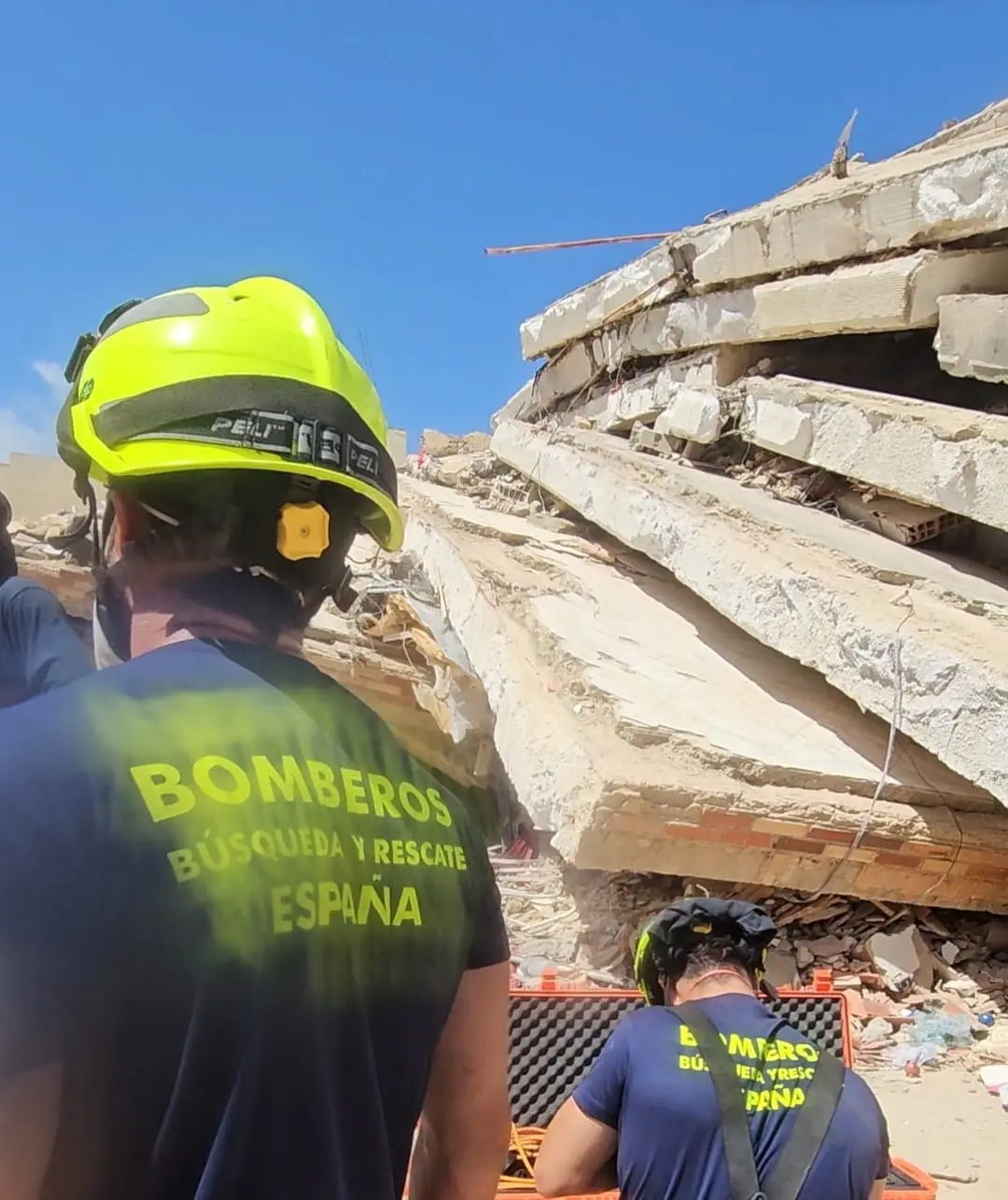
We're starting a series of interviews with some of the members of the mission deployed in Venezuela to learn, from an insider's perspective, what an international emergency is like and what goes on behind the work of a USAR team when every minute can mean a life.
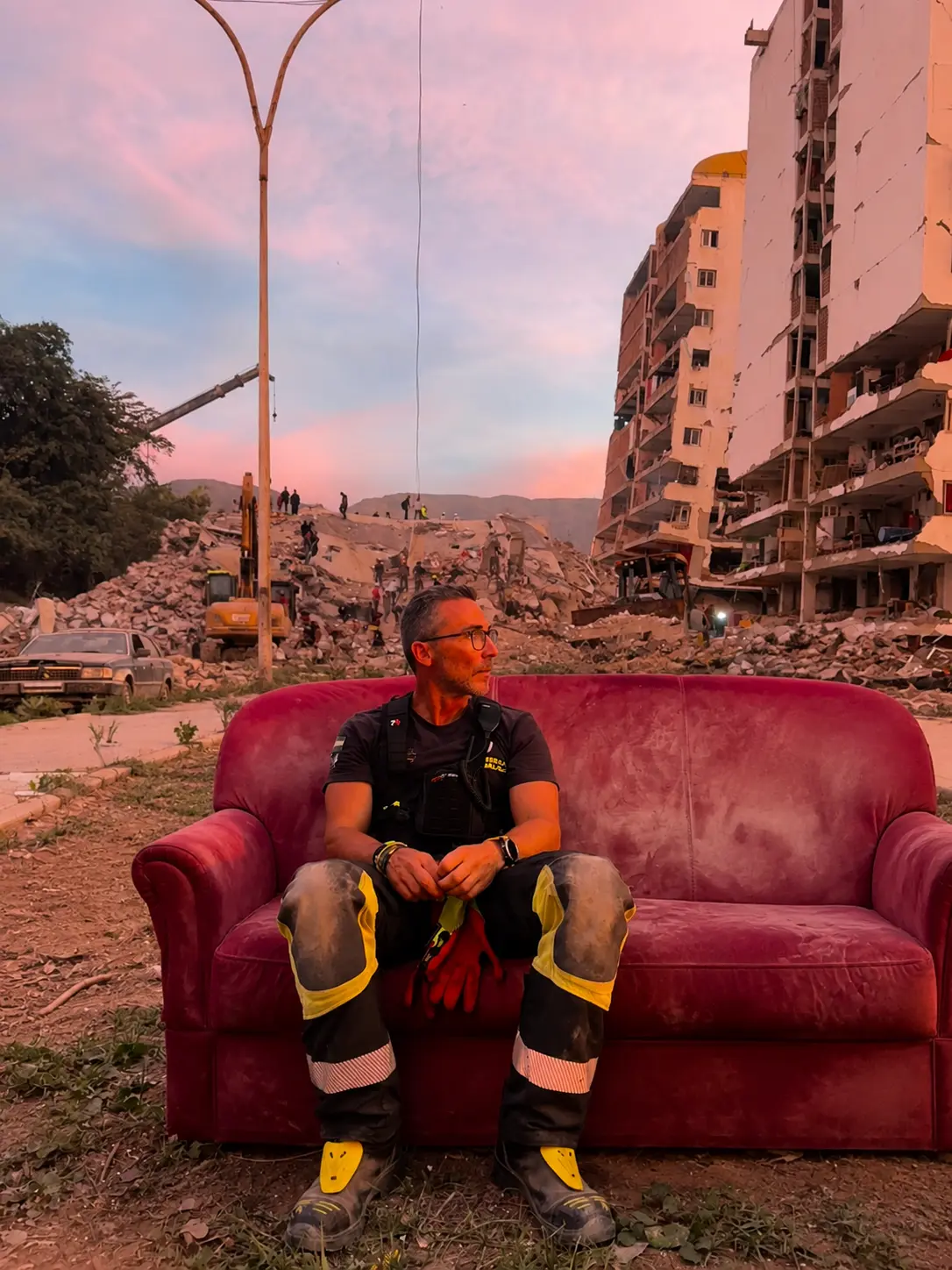 "When a disaster strikes, we don't think about distance. We think about the people who need help." Juan Luis de la Cerda Vega (President of NGO BBRE and Coordinator of logistics and equipment)
When the earthquake occurred, at what point did you know your NGO needed to be there? How do you make a decision like that?
The decision actually starts to be made long before a disaster occurs. For years, we have prepared to respond when that moment arrives, so when we received information about the earthquakes, the first thing we did was assess whether we could provide something useful.
It's not just about wanting to help. We have to check the country's situation, coordination with authorities, team safety, available resources, and the capacity to be self-sufficient during the mission.
When we saw that we could contribute and that there was a possibility of collaborating with other international teams, there were few doubts. We knew we had to try.
Because when you are part of a search and rescue organization, helping is not an improvisation, but a commitment made long beforehand.
While most people were watching the news from home, you had to coordinate people and resources. What goes through the mind of an NGO president in those moments?
These are moments of great responsibility.
People often think that the most difficult part begins when you arrive in the affected area, but in reality, it starts much earlier.
There are families waiting for news, colleagues leaving their jobs, people organizing equipment, collaborators helping from Spain...
All of that depends on making the right decisions.
You try to stay calm because you know the team needs security and confidence.
You are also aware that every minute counts and that any delay can affect the mission.
You don't think about yourself.
You think about the entire team arriving, working safely, and returning home after having helped as much as possible.
What has been the proudest moment during this mission?
More than a specific moment, I'll remember the team's attitude.
Seeing colleagues leave their families, grab a backpack, and be ready to travel thousands of kilometers with the sole objective of helping people they don't know is something that moves you.
It also fills me with pride to see how so many people collaborate from Spain to make a mission like this possible.
Often, only the rescuer working on the ground is seen, but behind them are dozens of people making everything work.
That shows that solidarity is still very much alive.
After so many years working as a firefighter and helping, what about a catastrophe like this never ceases to impress you?
The capacity people have to help each other, even in the worst moments.
When you arrive in a devastated area, you find pain, uncertainty, and fear.
But you also see neighbors helping neighbors, people sharing the little they have, and families who, despite having lost everything, continue to care for others.
That always impresses me.
It also reminds you that behind every number reported in the news are real people, with names, stories, and families.
And we must never forget that.
What would you like society to understand about the work performed by rescue teams and NGOs?
I would like them to understand that rescue begins long before arriving at the emergency site.
Behind every mission are months, and even years, of training, drills, simulations, physical preparation, equipment maintenance, and coordination with other organizations.
Nothing happens by chance.
And I would also like to convey that prevention remains the best tool we have.
As firefighters, we often say that the best rescue is the one that never needs to be performed.
That's why we emphasize so much the training of the population, self-protection, and being prepared to face any emergency.