
.webp?alt=media&token=59218afa-a7bf-4583-a107-a9b3f93814d7)
This time, we have an interview with Jorge Marín, who also recently participated in the catastrophe in Venezuela. Jorge Marín, better known as "Tote," is the coordinator of the administration and finance area within the NGO. We have a very personal interview with him, a veteran firefighter who has been involved in many global catastrophes.
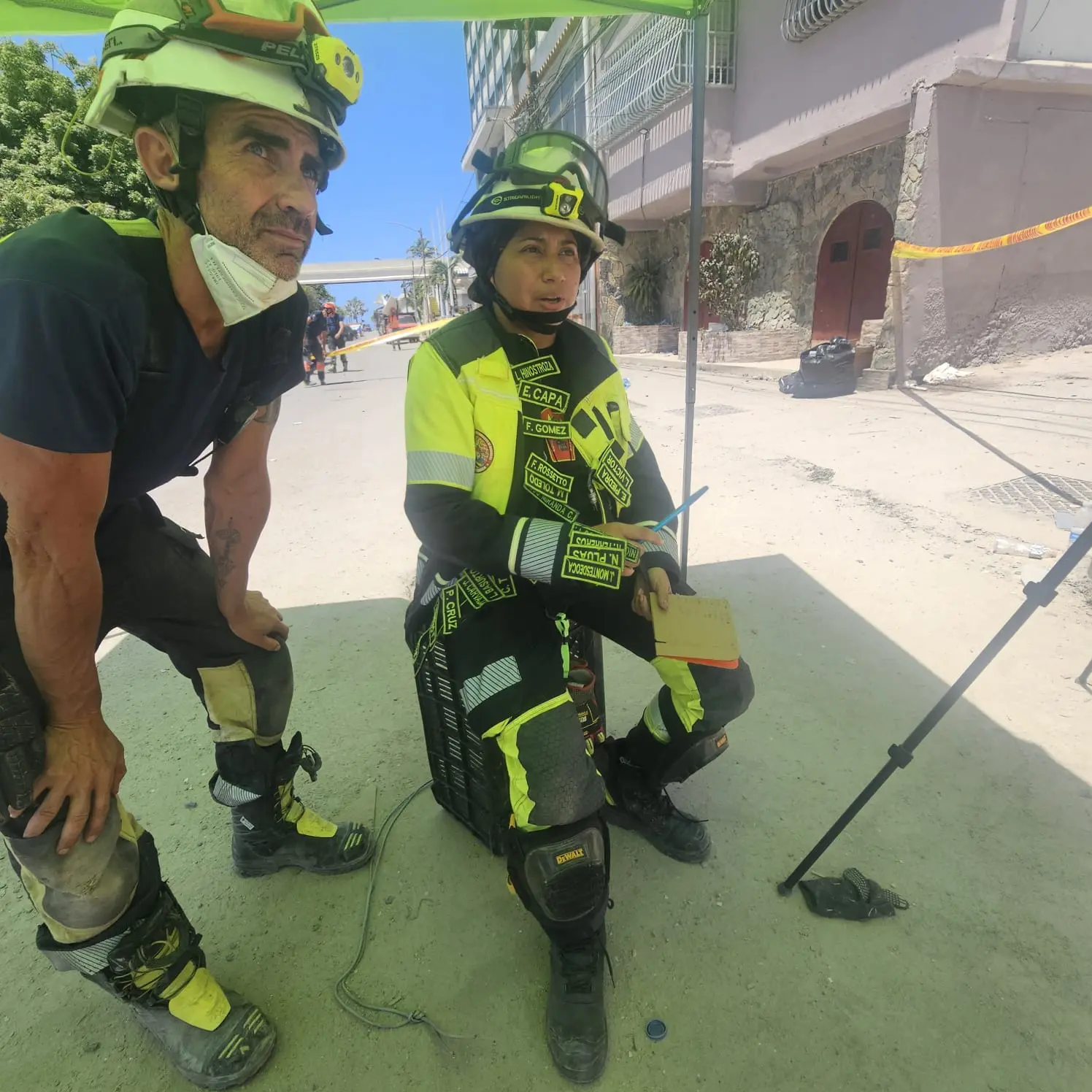
"Every catastrophe is different, but they all leave a mark." Jorge Marín
You have participated in several international catastrophes. What makes each one different, and what do they all have in common?
Each emergency has its own context, its culture, its way of organizing, and its own difficulties.
However, they all have something in common: behind the collapsed buildings, there are always people waiting for a response, families looking for news, and rescue teams working tirelessly.
In the end, the scenarios change, but the reason we are there does not.
Is there any intervention, in Venezuela or on another mission, that you still remember with particular intensity?
What tends to remain most in memory is not a specific image, but the people.
You remember a look, a hug, a conversation, or the gratitude of someone who, despite having lost practically everything, still finds the strength to thank you.
Those moments are what truly stay with you for a long time.
After so many rescues, what quality do you consider essential for working in these types of emergencies?
Humility.
You have to arrive knowing that you are part of a team and that no one rescues alone.
It is also essential to remain calm, be disciplined, and trust your training. Emotions exist, but during an intervention, they must coexist with professionalism.
What is the biggest misconception people have about how a search and rescue team works?
Many people think it's all about running through the rubble.
The reality is very different.
A large part of the work involves observing, planning, listening, analyzing risks, and acting with great precision. Sometimes an operation stops completely because we are trying to detect the slightest sound or because the team's safety is a priority.
Rescue requires patience, method, and a lot of coordination.
After all you have experienced, what advice would you give to anyone about the importance of being prepared for an emergency?
Let's not wait for a catastrophe to happen to become interested in prevention.
Knowing basic first aid, having a small emergency kit, knowing how to act, or simply being informed can make a huge difference when something unexpected occurs.
Prevention saves as many lives as intervention.