
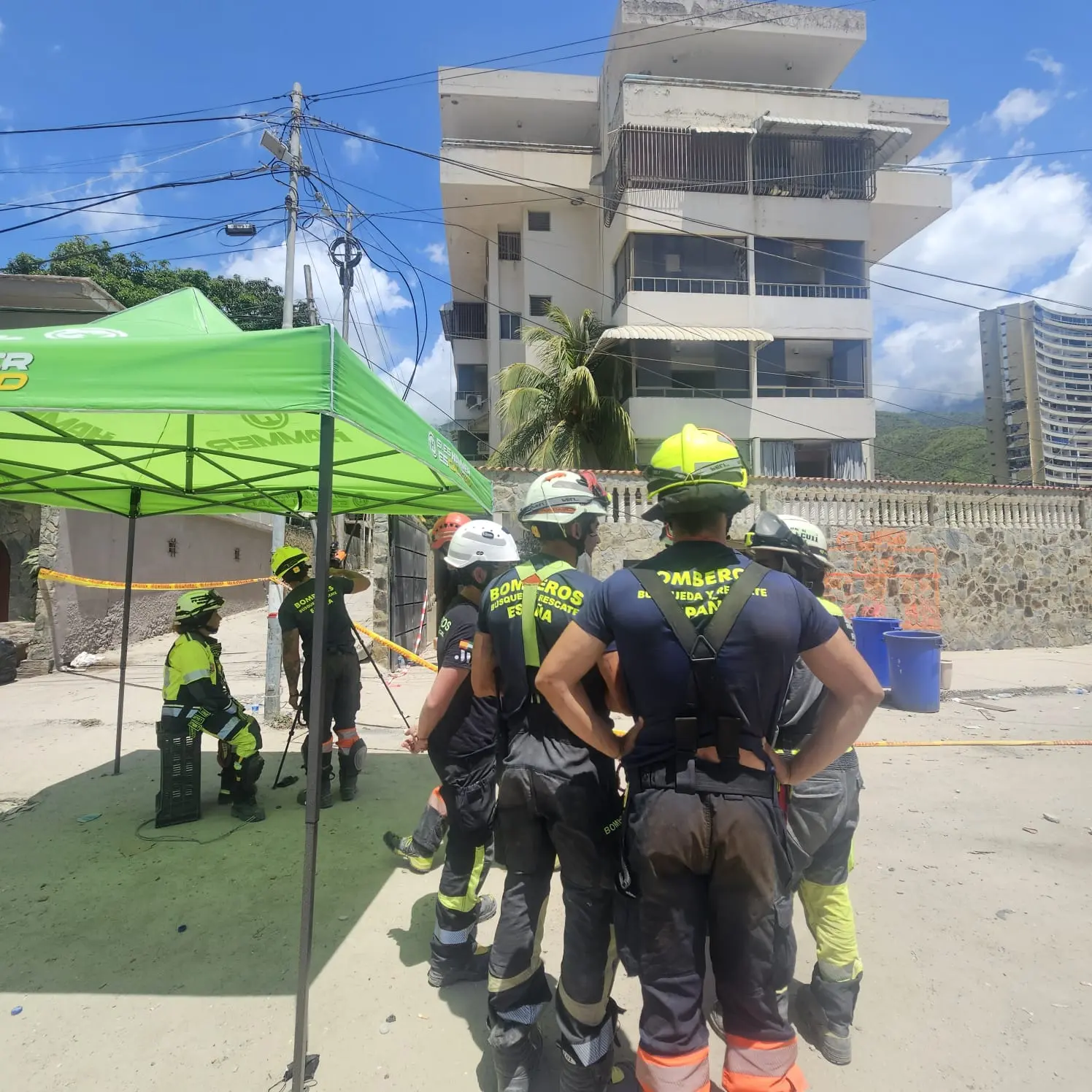
We continue with the series of interviews with some of the members who were in the Venezuela catastrophe. This time we interview Jair Pereira Rodríguez, the coordinator of the emergency response and international cooperation area.
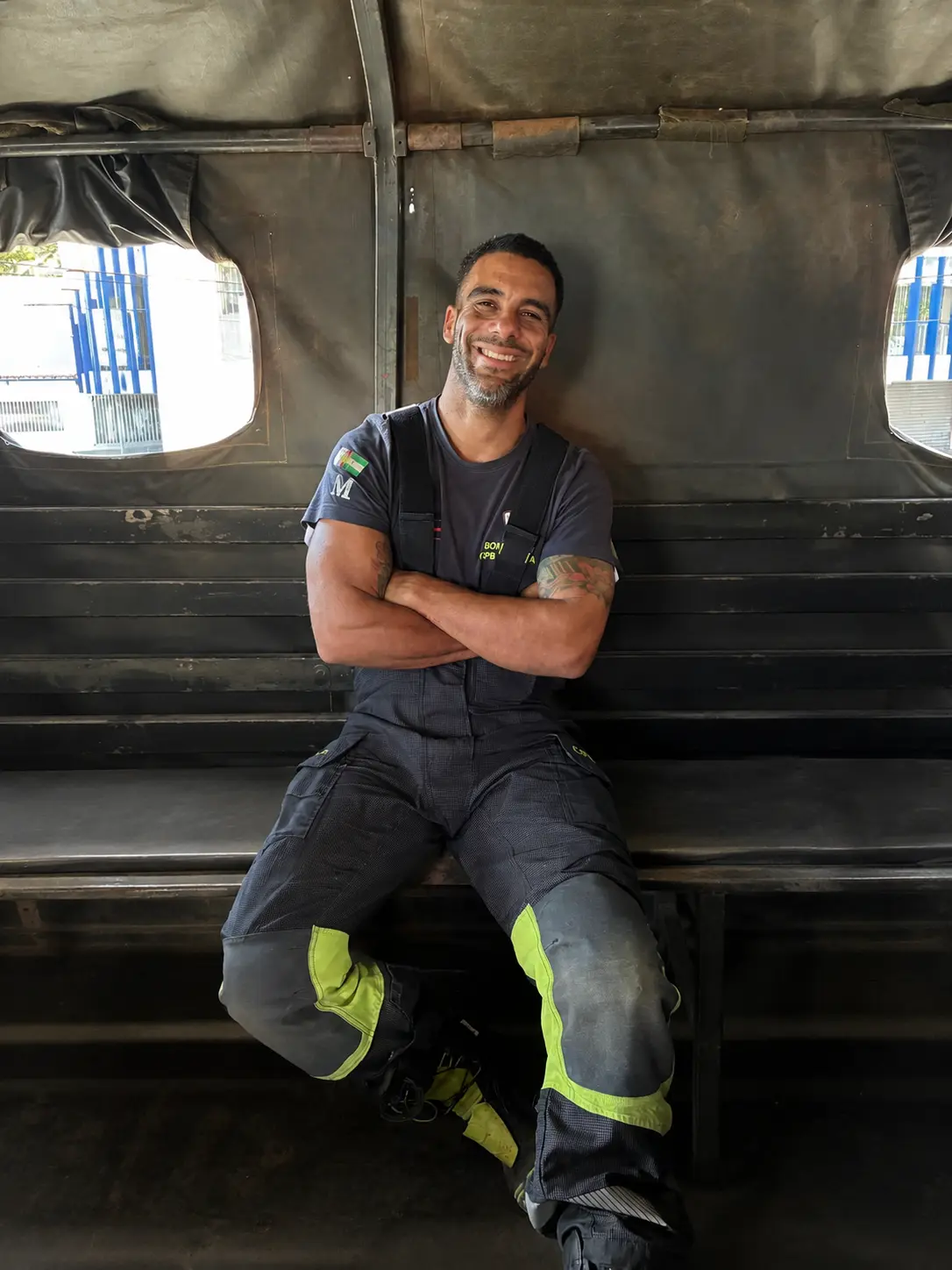
"Behind every rescuer you see on the ground, there are hundreds of decisions that no one ever sees." Jair Pereira
Many people only see rescuers working on the ground. What happens in the hours or days leading up to make that mission possible?
Most people see images of the team working among the rubble, but few imagine everything that goes on behind the scenes to make that happen.
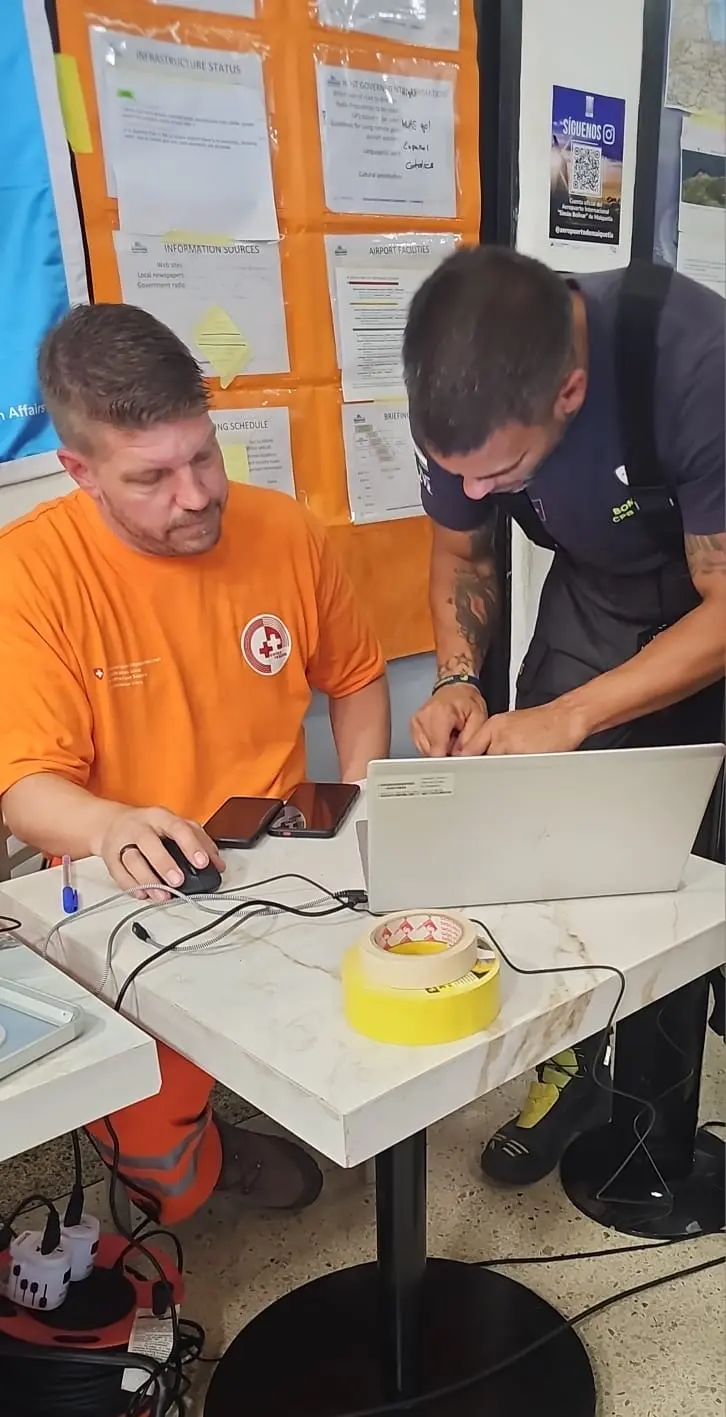
In a matter of hours, people must be mobilized, equipment checked, documentation prepared, flights coordinated, permits managed, communications organized, and ensure that the team can be self-sufficient for several days. All of this while continually receiving changing information about the situation in the country.
It's silent work, but fundamental. If that part fails, the team won't be able to carry out its work upon arrival on the ground.
What has been the biggest logistical challenge in organizing an international deployment like the one in Venezuela?
Without a doubt, uncertainty.
In an international emergency, everything changes constantly. Flights can be modified, needs on the ground evolve, and the information you receive in the morning might be different a few hours later.
Our work involves continuously adapting without losing sight of the main objective: ensuring the team arrives prepared to help and does so safely.
What is the most challenging aspect of coordinating so many different people, materials, and organizations in the midst of an emergency?
The most important thing is communication.
When different institutions, administrations, international teams, and humanitarian organizations are involved, it's crucial that everyone works towards the same objective and constantly shares information.
Coordination prevents duplication of efforts and allows for maximum utilization of available resources. In an emergency, there are no protagonists; there are only people trying to help as effectively as possible.
Has there ever been a moment when you had to improvise because things didn't go as planned?
In an international mission, you always have to improvise.
You can prepare a deployment for weeks, but once you arrive on the ground, unforeseen situations arise. The important thing is to remain calm, analyze the situation, and find quick solutions without compromising the team's safety.
Experience helps a lot, but so does adaptability and teamwork.
When everything ends and the team returns home, what feeling are you left with after so many days of work and responsibility?
You always return with mixed feelings.
On one hand, the satisfaction of having contributed our small part and worked alongside great professionals. On the other, you know that many people continue to need help even after we return.
It's impossible to return as the same person. Every mission leaves behind lessons, friendships, and enormous motivation to continue preparing for future emergencies.