
Introduction
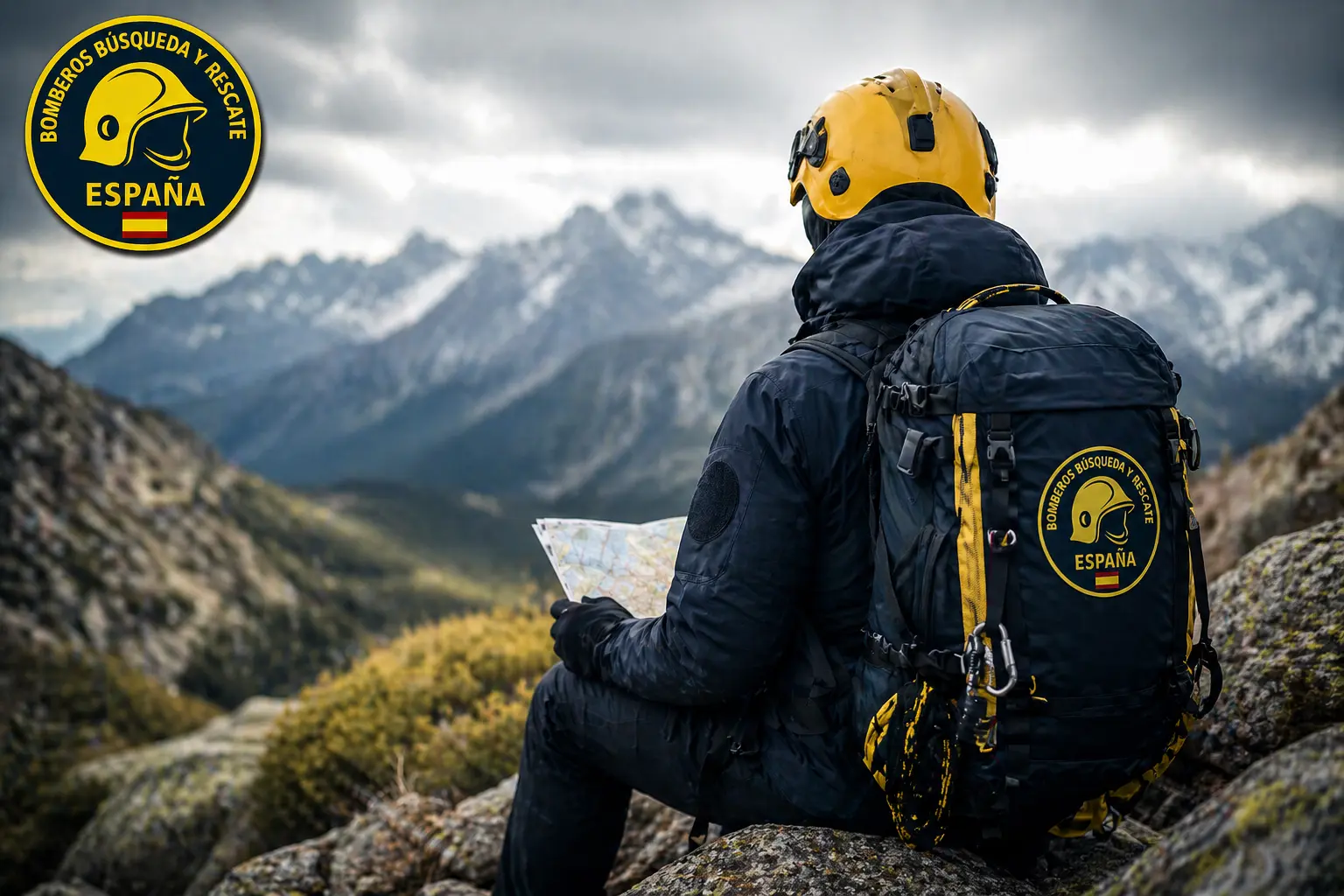
Getting lost in the mountains is more common than it seems. A distraction, a change of route, or poor planning can cause you to lose your bearings in a matter of minutes.
At that moment, the most important thing is not to run or improvise, but to know how to act correctly.
Stay Calm and Stop
The first mistake most people make is to keep walking aimlessly.
If you realize you are lost:
stop
breathe
analyze the situation
Moving without control will only make you go further away and complicate your location.
Remember the Basic Rule: STOP
A widely used survival technique is the STOP rule:
Stop (detente)
Think (piensa)
Observe (observa tu entorno)
Plan (planifica tu siguiente paso)
Applying this rule prevents impulsive decisions.
Try to Orient Yourself
Before moving, try to regain your orientation:
check if you have coverage or GPS
observe references like paths, rivers, or signs
remember where you came from
If you are not sure, it is better not to advance.
Call Emergency Services as Soon as Possible
If you have a mobile phone and coverage, call 112.
It is important to:
state your last known location
describe your surroundings
say if you are alone or accompanied
The sooner you notify them, the sooner they can begin to locate you.
Make Yourself Visible
Making it easier for rescuers to find you is key:
find a visible spot
wear brightly colored clothing
make signals with objects or stones
use a whistle if you have one
You can also turn on your phone's flashlight in low visibility conditions.
Avoid Walking Aimlessly
You should only move if:
you are certain of the path
you know where you are heading
Otherwise, it is better to remain in a fixed spot to facilitate rescue.
Protect Yourself from the Environment
Mountain conditions can change rapidly:
bundle up if the temperature drops
seek shelter if it rains or is windy
avoid dangerous areas like ravines
Staying in good physical condition is fundamental.
Manage Your Resources
If you have water or food:
ration them
avoid unnecessary exertion
The goal is to last as long as possible in good condition.
Mistakes to Avoid
There are mistakes that can greatly worsen the situation:
continuing to walk without orientation
separating from your group
not calling emergency services
trusting unknown shortcuts
Avoiding these mistakes can make all the difference.
Conclusion
Getting lost in the mountains doesn't have to end badly if you act wisely.
Stopping, thinking, and facilitating your location are the keys to safely getting out of this situation.
Because in the mountains, it's not the fastest who survives…
but the one who makes the best decisions.