
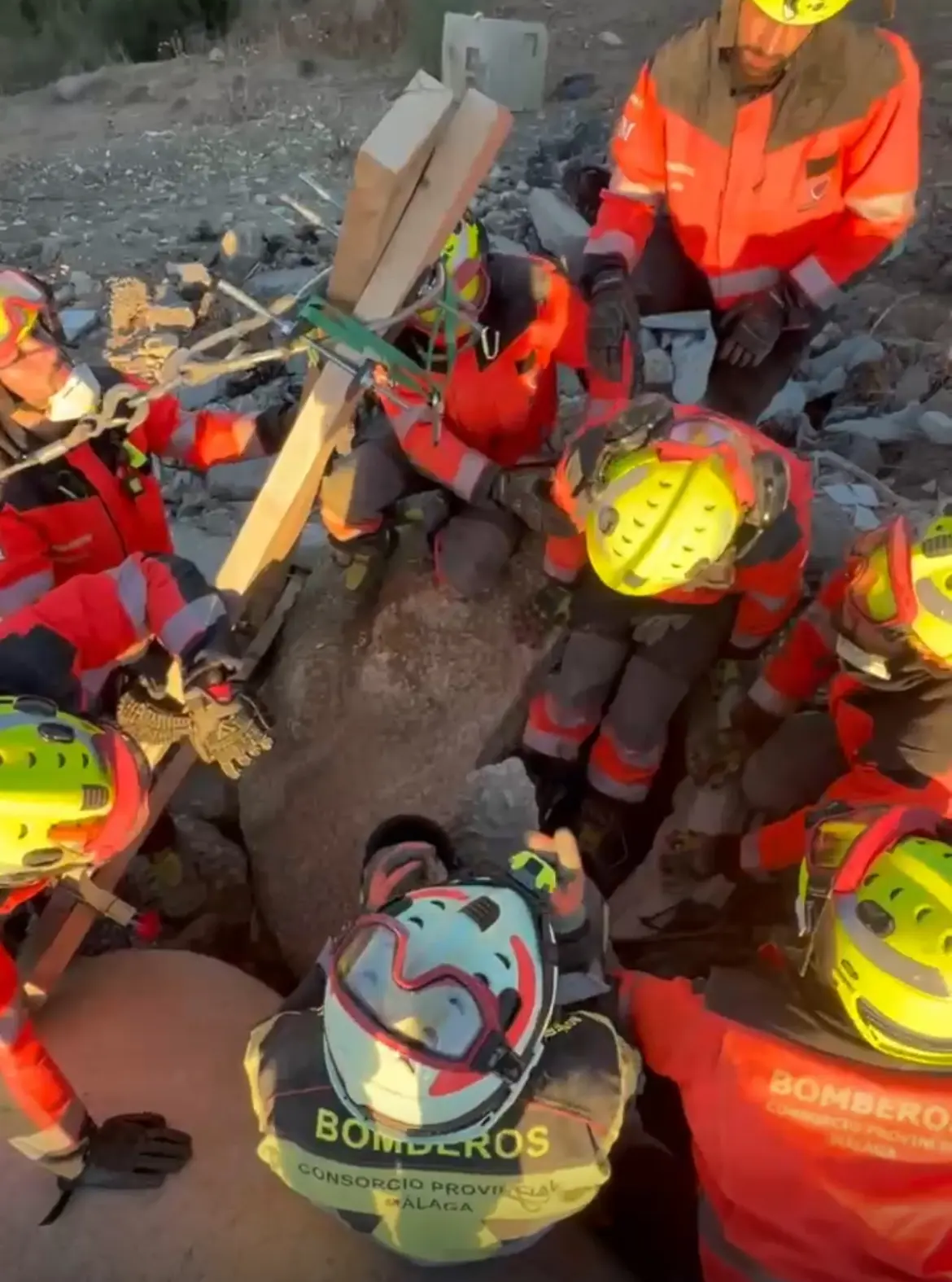
Introduction
Emergency search and rescue teams play a fundamental role when a disappearance occurs, a natural disaster strikes, or in any situation where it's necessary to locate and assist people at risk.
Behind every intervention lies constant preparation. The training of a rescue team not only involves good physical fitness but also technical training, coordination, and the ability to act under pressure.
In this article, we explain how our search and rescue team trains, what type of drills we conduct, and what skills are necessary to intervene safely and effectively.
Basic Training for a Search and Rescue Team
Before participating in real operations, members of a rescue team must receive specific training that allows them to act safely in complex situations.
This training usually includes knowledge in:
first aid and basic healthcare
orientation and navigation in terrain
emergency management
safety in interventions
use of communication and tracking equipment
Additionally, rescuers must learn to work within an organized emergency structure, where each team member fulfills a specific role.
Physical Training and Endurance
Work in search and rescue operations often takes place under demanding conditions: long hikes, complicated terrain, or adverse weather situations.
For this reason, physical training is a fundamental part of preparation.
Common Training Exercises
Rescue teams typically perform activities such as:
simulations of victim evacuation in complicated terrain
material transport drills
coordination and teamwork training
These types of exercises help improve endurance, reaction capacity, and coordination among group members.
Missing Persons Search Drills
One of the most important training elements is missing persons search drills.
During these practices, real scenarios are recreated where the team must organize the search for a person in a specific area.
Objectives of the Drills
The drills allow for:
training in search planning
improving communication between teams
practicing the use of GPS, drones, maps, and localization tools
optimizing the distribution of tracking groups
These types of exercises help detect errors and improve operational protocols.
Use of Technology in Rescue Training
Currently, rescue teams are increasingly incorporating technology into our training and operations.
Among the most used tools are:
drones for aerial reconnaissance
GPS systems and localization tools
radio communication equipment
lighting systems for night operations
The use of these technologies improves the effectiveness of operations and allows for covering search areas more quickly and safely.
The Importance of Teamwork in Rescue
In a real intervention, coordination is as important as technical preparation.
A rescue team must be able to:
communicate clearly
make quick decisions
adapt to changing situations
work under pressure
For this reason, many training sessions focus on group dynamics and operational coordination, which is essential to ensure the safety of all participants.
Continuous Preparation for Emergency Response
Search and rescue teams must maintain constant training. Emergencies can occur at any time and in very different scenarios, from mountain disappearances to storms or natural disasters.
Therefore, regular training, knowledge updates, and practice through drills are fundamental to ensuring an effective intervention.
In the field of rescue, preparation is not an option: it is a responsibility.
Conclusion
The training of a search and rescue team is a continuous process that combines technical training, physical preparation, and teamwork.
Thanks to this preparation, rescuers can act quickly, safely, and effectively when a person needs help.
Behind every successful intervention are hours of training, coordination, and commitment to the protection of life.